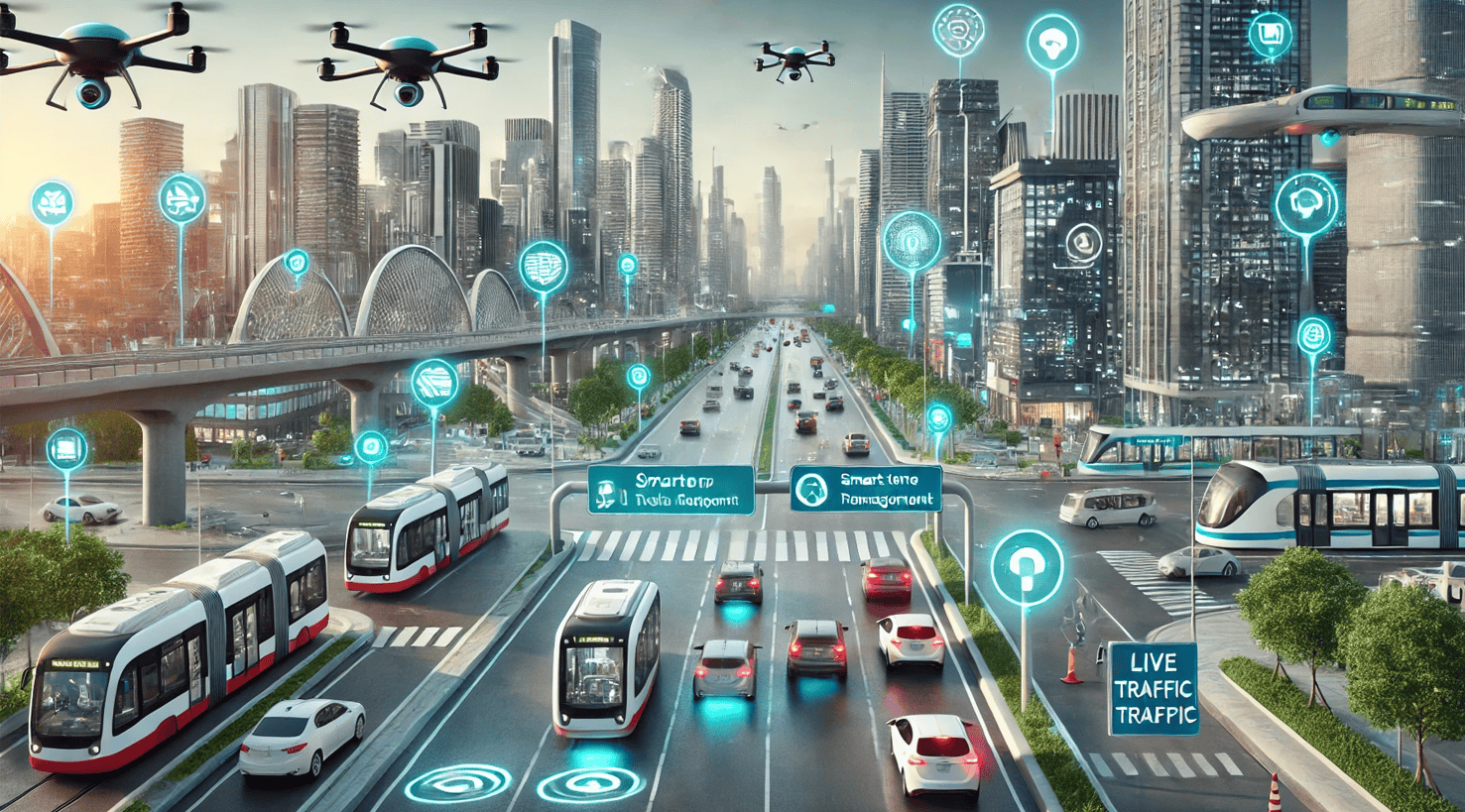
How Smart Transport Systems Prevent Small Mistakes From Becoming Fatal
Introduction
Do smart transport systems really reduce traffic deaths, or are they just another layer of technology added to roads? The answer lies not in futuristic promises, but in how these systems quietly improve awareness, response time, and decision-making on everyday roads. By helping vehicles and traffic infrastructure communicate more efficiently, smart transport systems reduce confusion during critical moments—when even a few seconds can make the difference between safety and tragedy.
“On the road, information delayed is often danger multiplied.”
What Being “Smart” Really Means in Transport Systems
Smart transport systems concentrate on the dissemination and processing of traffic information. Rather than relying on human discretion alone, smart transport systems ensure that safety messages flow freely in traffic networks. The goal is to eliminate overload, avoid duplication, and provide only what is needed by drivers, that is, to communicate effectively and promptly. This enables drivers to act earlier to avoid reacting too late to a situation.
Why Poor Communication Makes Roads More Dangerous
Hidden Hazards After an Accident:
After an accident occurs, the danger doesn’t end there. Vehicles approaching the scene often remain unaware of what lies ahead, increasing the risk of secondary collisions.
Uncontrolled Message Broadcasting:
Studies show that when safety messages are sent without control, networks become congested. Excessive messaging increases delays, reducing the usefulness of critical warnings.
Delayed Information Equals Higher Risk:
When alerts arrive late, drivers have less time to react, increasing panic responses and poor decision-making.
Smart Transport Systems Regulate Communication:
Smart transport systems solve this by managing how, when, and to whom safety messages are sent—ensuring clarity instead of chaos.
Faster Warnings, Safer Decisions
Immediate Hazard Awareness
Verified warnings are distributed quickly, giving drivers advance notice of dangerous road conditions.
Time to React, Not Panic
Early alerts allow drivers to slow down, change routes, or mentally prepared reducing sudden, unsafe reactions.
Improved Traffic Flow During Emergencies
When drivers are informed early, traffic congestion is less likely to spiral out of control.
Preventing Accidents Before They Escalate
Smart transport systems not only react to accidents but also work towards preventing them. With awareness of location and movement among vehicles, potential risks can be detected in advance. This allows for a reduction in surprise encounters, particularly in complex traffic situations, and assists in more predictable driving behavior.
Moreover, smart traffic coordination prevents risks associated with congestion. With effective communication of traffic buildup, drivers can adjust before approaching critical bottlenecks.
Safety That Considers Human Behavior
Road safety is not only about cars and roads but also about people. Smart systems help improve road safety by detecting dangerous situations associated with human actions and acting accordingly. Smart transport systems use awareness, communication, and prevention to create a safety environment that assists drivers instead of replacing them.
So, Do Smart Transport Systems Reduce Traffic Deaths?
Yes—not by removing accidents altogether, but by mitigating the chaos that transforms an accident into a fatality. Smarter communication, quicker alerts, congestion management, and safety for the human factor all combine to reduce risk. As roads become smarter, they become safer.
How HBGTM Insights Can Help
Understanding safety is ultimately about understanding people, how they perceive risk, respond to information, and build trust in intelligent systems.
HBGTM Insights specializes in:
- Consumer Trust & Behavior Research
- CX & Loyalty Measurement Studies
- Personalization Effectiveness & Privacy Perception Analysis
With an intelligence-driven approach, HBGTM Insights supports consumer-focused organizations in designing scalable, compliant, and high-impact experience strategies rooted in real human insights. Effective commercialization begins with stronger understanding. Whether you are evaluating engagement strategies, redesigning trust-led systems, or aligning experience with evolving expectations, HBGTM Insights helps turn insight into impact.
Visit www.hbginsights.com to explore how research-driven intelligence can unlock value, strengthen trust, and support long-term growth.
Discover MoreAbout The Author

Apoorva Sharma
Apoorva specializes in transforming complex data into actionable intelligence that supports strategic decision-making. With 6 years of experience, she contributes at HBG Insights to delivering globally consistent analytics solutions that help clients sharpen their strategies, drive impact, and focus on their core growth priorities. She has expertise in leading and executing high-impact research projects and delivering actionable insights through comprehensive market analysis. Prior to joining HBGTM Insights, Apoorva worked with Jasper Colin, Growman Research and Consulting Groups, and Unimrkt Research. She holds a B.Tech and M.Tech in Biotechnology from Amity University.
Know More