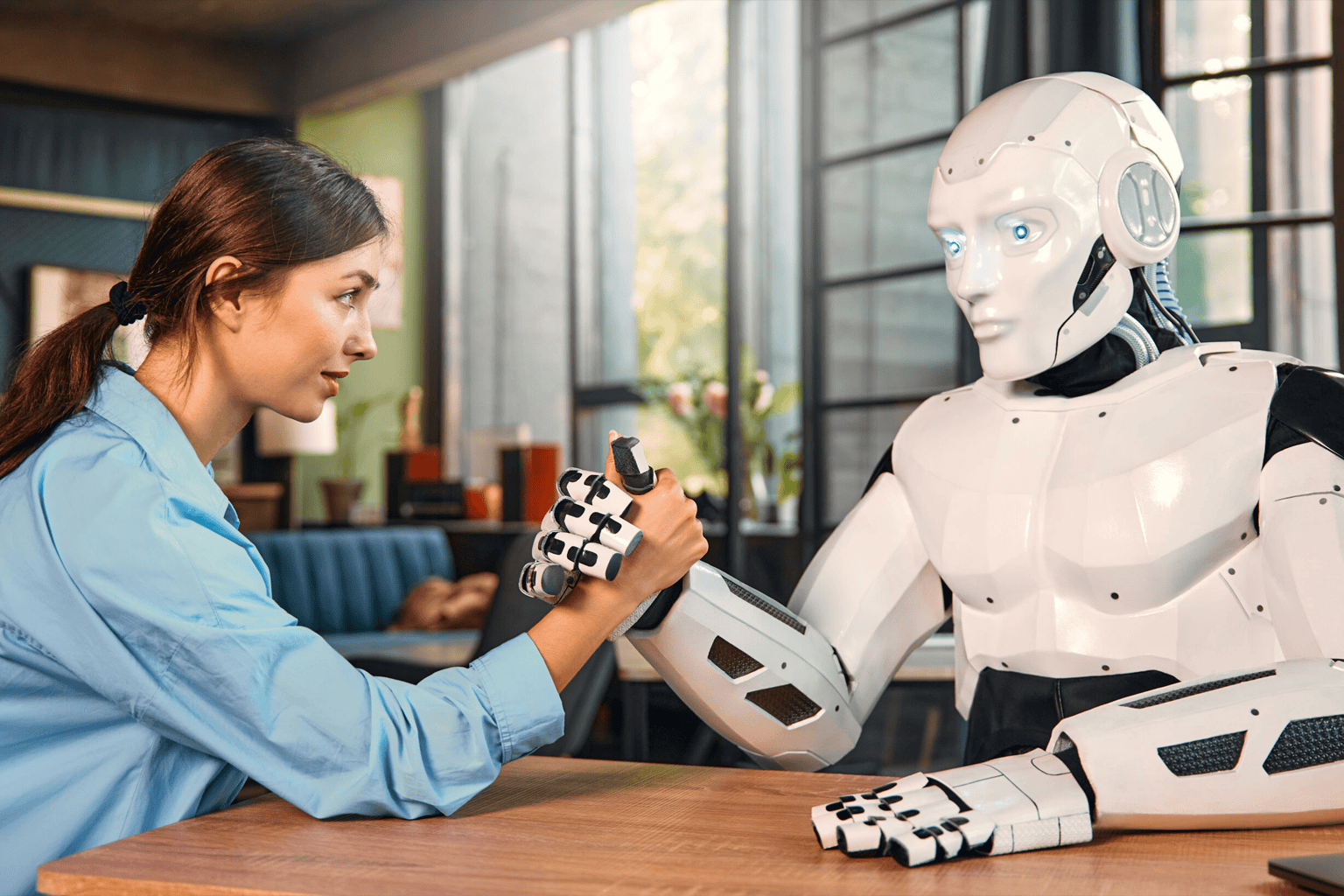
Why Human Authenticity Still Shapes Purchase Decisions More Than Digital Perfection
Influencer marketing has subtly changed how consumers find and select goods. Once reliant on glossy ads and celebrity endorsements, opinions are now shaped by common voices on social media. A fresh and fascinating question has emerged as this field develops: can virtual influencers have a greater impact on consumer decisions than human influencers?
It takes more than just comparing people and technology to answer this question. It necessitates an understanding of how influence functions, how trust is established, and why consumers choose to believe one message over another.
Understanding Human and Virtual Influencers
Real people who post about their lives, thoughts, and experiences online are known as human influencers. Their relatability—the idea that they lead real lives, deal with real problems, and make real decisions—is what gives them their influence. Audiences develop emotional bonds with them over time, frequently feeling as though they "know" them personally. This familiarity has a significant impact on how consumers perceive brands and make purchases.
The way virtual influences function is quite different. They are artificially generated personas that mimic human behavior on the internet. They never get old, make mistakes in public, or stray from the core principles of the brand. Their content is meticulously controlled, visually polished, and consistent. They rely on creativity, design, and storytelling to engage audiences instead of drawing from personal experience.
Although both exist in the same digital ecosystem, consumers engage with them in fundamentally different ways
The Influence Journey: Authenticity Versus Innovation
Consumers typically prioritize trust when they come into contact with human influences. Individuals automatically determine whether the influencer is speaking truthfully, is knowledgeable about the product, and has actually used it. Recommendations feel more like advice from a familiar person and less like advertising when that trust is genuine. This is particularly crucial for purchases that have an emotional, lifestyle, or identity component.
The novelty of virtual influences draws attention. Their distinctiveness—stylized images, inventive narratives, and a feeling of futuristic inventiveness—is what makes them appealing. This can be interesting and captivating for audiences who are tech-savvy. However, virtual influencers frequently find it difficult to convey emotional depth or personal accountability in the absence of real-world experience. Although they may appreciate the content, consumers may be reluctant to base their actual purchasing decisions on it.
In many cases, virtual influencers spark curiosity, while human influencers inspire confidence.
Trust, Relatability, and the Emotional Gap
- Emotional connection is a key driver of influence, with authenticity playing a central role in consumer trust.
- Human influencers’ vulnerability, spontaneity, and imperfections make them relatable and help consumers see how products fit into their own lives.
- Virtual influencers, even when highly realistic, can appear distant or overly curated, leading to skepticism about message control and brand influence.
- Audience hesitation toward virtual influencers often stems from uncertainty about authenticity rather than the technology itself.
- The effectiveness of both human and virtual influencers depends less on their nature and more on how transparently, creatively, and thoughtfully they are presented.
The Verdict: Replacement or Reinforcement?
Because virtual influencers rely so heavily on data-driven personalization, data privacy becomes increasingly important. Customers nowadays are much more conscious of how their information is gathered and used to create content. Regardless of whether the influencer is real or virtual, trust starts to erode when their messaging seems excessively manufactured or invasive.
Effectiveness now depends on ethical behavior, openness, and respect for customer autonomy. Companies that ignore these issues run the risk of losing consumers' trust, especially among tech-savvy consumers who place equal importance on privacy and innovation.
Replacement or Reinforcement?
Complementary Strengths of Human and Virtual Influencers
Human influencers drive trust and emotional connection, especially in experience-based purchases. Virtual influencers excel in visual consistency, creativity, and standing out in digital spaces.
The Future: Strategic Balance Over Replacement
Success lies in balancing influencer type with audience expectations, product fit, and ethical responsibility—not choosing one over the other.
How HBGTM Insights Can Help
Understanding how influence truly shapes consumer decisions requires more than surface-level engagement metrics. HBGTM Insights focuses on uncovering the deeper relationship between trust, behavior, and experience through Consumer Trust & Behavior Research, CX & Loyalty Measurement Studies, and Personalization Effectiveness & Privacy Perception Analysis.
With an intelligence-driven approach, HBGTM Insights help retail and consumer-focused companies design scalable, compliant, and high-impact customer experience strategies rooted in real consumer insight. Effective commercialization begins with understanding not just what attracts attention—but what earns trust.
Whether you are evaluating influencer strategies, rethinking loyalty programs, or aligning customer experience with evolving data privacy expectations, HBGTM Insights supports informed, future-ready decision-making.
Visit www.hbginsights.com to explore how research-driven intelligence can unlock value, strengthen trust, and drive long-term growth.
Discover MoreAbout The Author

Jason Goya Tiffer
Jason brings more than 20+ years of experience to HBGTM Insights, where he drives global sales and leads strategic initiatives. He specializes in business development, account management, and revenue growth across diverse industries. Jason identifies high-potential markets, drives client-focused strategies, and partners closely with marketing, research, and product teams to deliver integrated solutions. His expertise in market analytics and competitive intelligence ensures new growth opportunities and enhanced client engagement worldwide.
Know More