Quick Commerce and Its Transformational Impact on FMCG Demand and Consumer Behaviour
Introduction
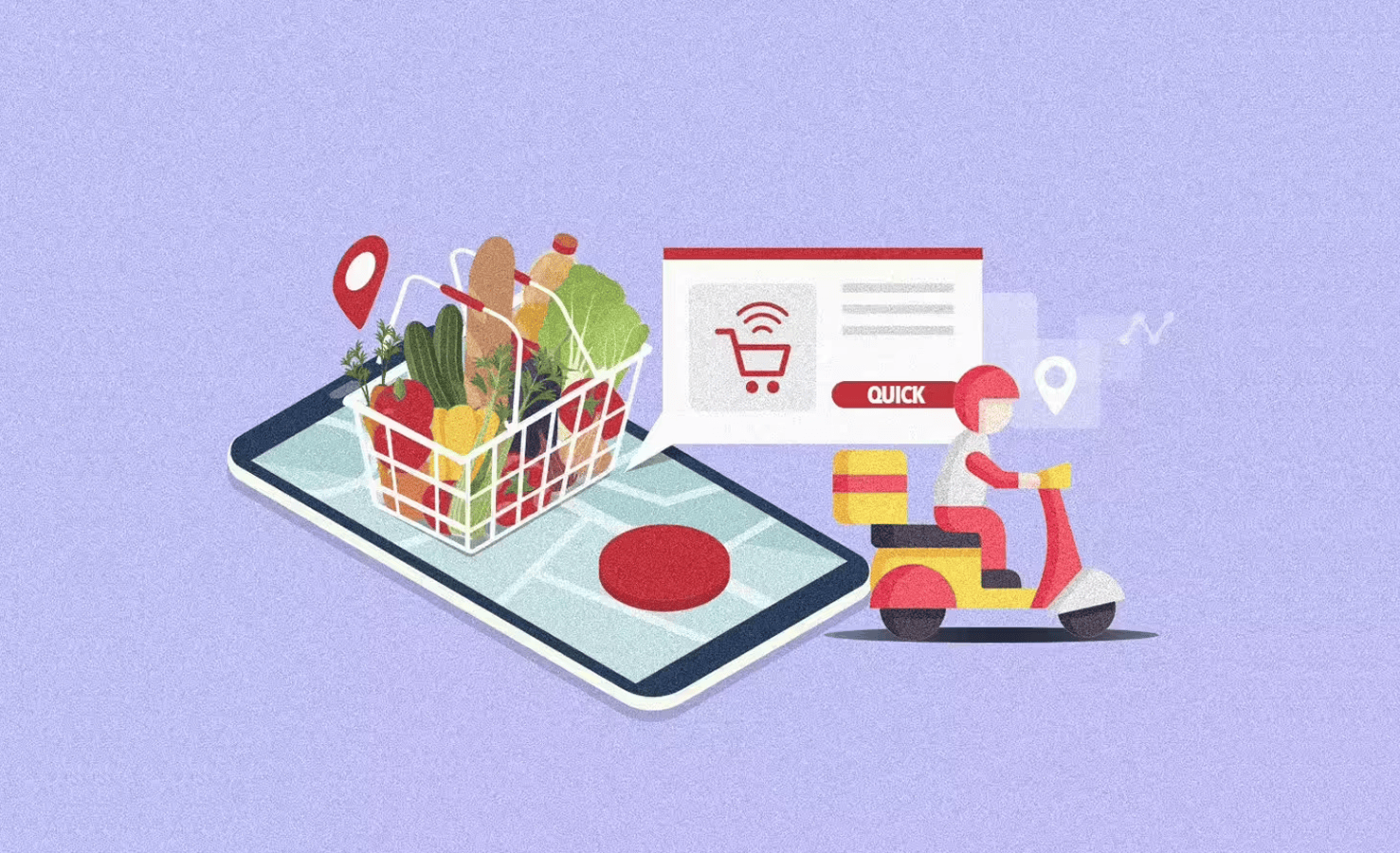
Quick commerce, or q-commerce, has been recognized as one of the most disruptive trends in the FMCG industry in India. Quick commerce can be described as having ultra-fast delivery times, ranging from 10 to 30 minutes. Quick commerce goes beyond the marginal development of new distribution channels in terms of its underlying paradigm shift in terms of what the final consumers are seeking on ease of access. It has become important to recognize this underlying shift to adapt to this new paradigm in terms of demand and routes to the marketplace.
Changes in Consumer Buying Behaviour: A Timeline Analysis
Pre-Quick Commerce Era (Pre - 2020)
FMCG purchase was mainly planned and consolidated. Consumers made stock-up purchases on a periodic basis, such as once a week or a month, from the local or modern trade channels. The impulse purchase was largely affected by the in-store variables related to placement and visual merchandising.
Early Digital Adoption Phase (2020-2021)
With the growth of online grocery shopping and e-commerce platforms, convenience became an increasingly prominent purchasing force. Nevertheless, the time frames of home deliveries continued to dictate a degree of future planning, hence dampening the force of impulse behaviour.
Acceleration Phase with Quick Commerce (2022-2023)
The introduction of delivery times of 10-30 minutes bridged the gap between the recognition of need and the filling of that need. The consumer began shifting from the purchase of planned shopping to the purchase of need-state shopping.
Impulse-Led Consumption Phase (2023-Present)
Impulse buying has turned out to be an exemplary feature when it comes to using q-commerce. This could be attributed to personalized advice, time-specific offers, and fast delivery. Other factors that could be linked to this trend include the psychological barriers to impulse buying. These include categories such as snacks, beverages, dairy products, and cosmetics.
Current Behaviour Pattern
The FMCG consumption pattern is increasingly being divided among several occasions in a day. Purchase cycles have increased, with smaller purchases and decision-making at all levels and always being considered normal, which makes FMCG purchases a function of convenience at all times.
Impact of Category-Level on FMCG Sales – Evidence
The impact of q-commerce does not occur equally for different FMCG categories. Packaged food, candies, cold drinks, and general personal care products have witnessed the most adoption as they are affordable and ready for consumption. Food items have also witnessed migration at a rate higher than expected, busting the myth that q-commerce is for emergencies or top-up business only. Yet, the growth in these categories has been somewhat low for fruits and vegetables, as well as categories requiring an assortment range.
Strategic Implications for FMCG Brands
FMCG brands are witness to the transition of q-commerce from a fulfilment platform to a demand generator. Brands are also coming up with q-commerce-exclusive package sizes and options that are optimized for instant consumption. Advertising on platforms is already a decisive factor in brand discovery, defeating traditional store presence as a critical purchase influencer.
Challenges for Local Grocers and the Overall Ecosystem
Falling Footfall for Kirana Stores
The local retailers are faced with decreasing footfall as more consumers turn to instant home delivery.
Price & Discount Pressure
High discounting from platforms squeezes margins, thereby creating intense competitive pressures on small retailers.
Operational Sustainability
Last-mile delivery costs are relatively high for q-commerce, raising the issue of operational sustainability for the platforms.
Urban Infrastructural Strain
Frequent hyperlocal deliveries are responsible for congestion of roads in urban areas.
Environmental Impact
Packaging waste and emissions are a concern for environmental sustainability.
Regulatory and Labor Issues
The welfare of gig economy workers, price transparency, and fair competition are still concerns under regulatory review.
India-specific insights
Quick commerce is shaping and reshaping FMCG consumption behaviors in India, where consumption has shifted increasingly from stock-driven purchasing to moment-driven purchasing. While it is highly unlikely that it will replace traditional retail channels, it has had a revolutionary effect in altering consumption behaviors, engagement, and business economics.
Consult with HBGTM Insights
To build a competitive and future-ready FMCG strategy in India, there’s been an increasing need to understand retail channels and consumer behavior. Whether you are studying the effect of quick commerce on FMCG sales, understanding the change in impulse consumer behavior, or studying the effect of digital platforms on the route-to-market strategies, the Insights provided by HBGTM Insights offers rigorous evidence-based analysis.
Our customized FMCG and retail insights, behavior analyses, and competitive benchmarking tools also aid enterprises in recognizing the change in demand, impact assessment, and optimization of the go-to-market and portfolio approach due to the growing impact of instant commerce.
Reach out to us for more details at www.hbginsights.com to examine how our insights might benefit sustainable growth, better decision-making, and a resilient FMCG future.
Discover MoreAbout The Author

Partha Sarathi Sengupta
Partha has 20+ years of experience delivering impactful, data-driven solutions to clients across business and consumer segments. He specializes in strategic and competitive analysis, helping clients win in complex marketplaces. Before joining HBGTM Insights, Partha held leadership roles at AMI-Partners (APAC), IMaCS, Annik Technology, and has worked with ACNielsen, TNS, and Vodafone. He holds an M.Sc. in Statistics & Econometrics from the University of Calcutta and an MBA in Marketing from NPC-Delhi, and has been widely featured in leading publications like Business Standard, Economic Times, CXO, The Telegraph, CRN etc.
Know More